


By María Fernanda Ruelas Martínez
Member of the Youth Advisory Group (GAJ)
GOYN-CDMX
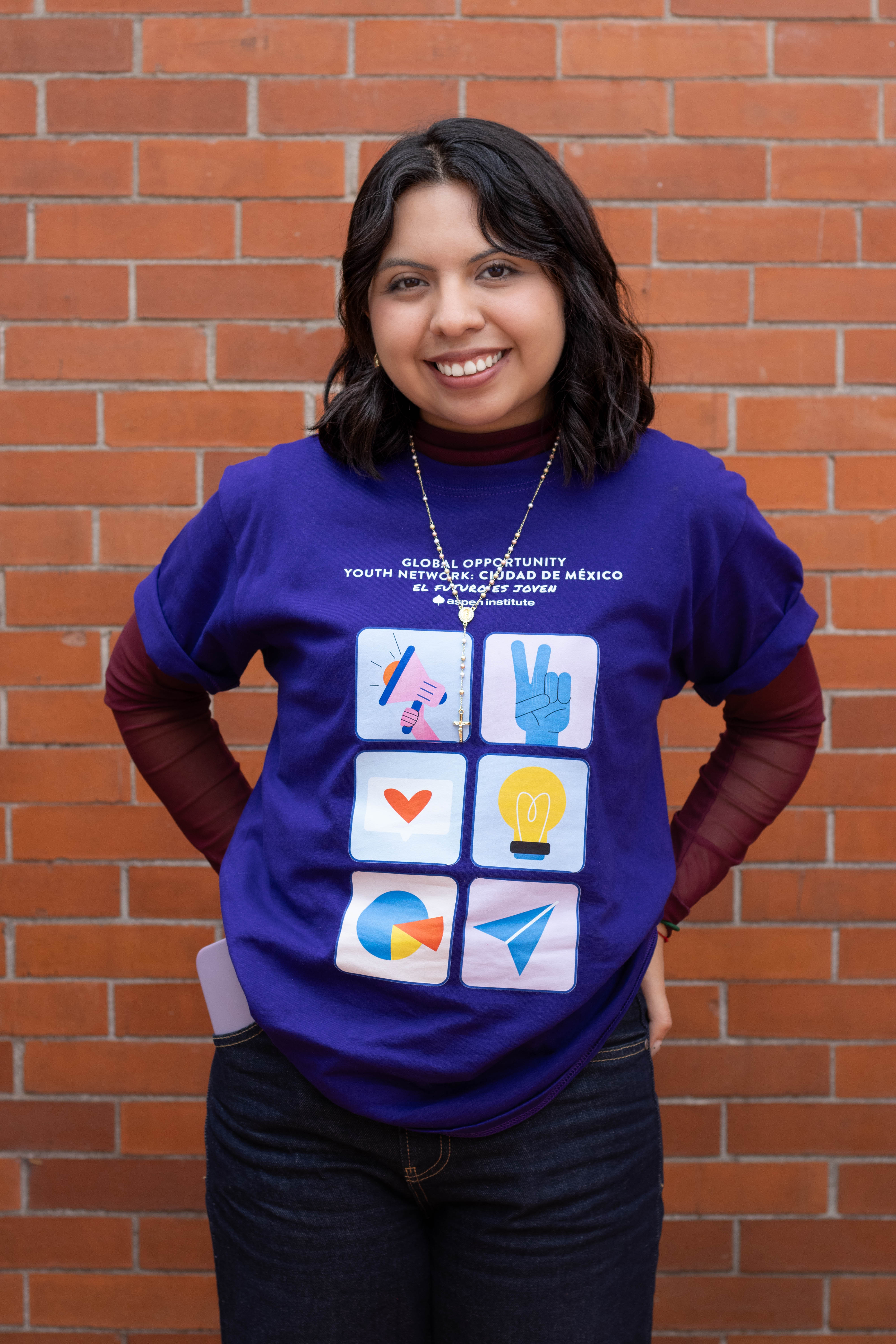
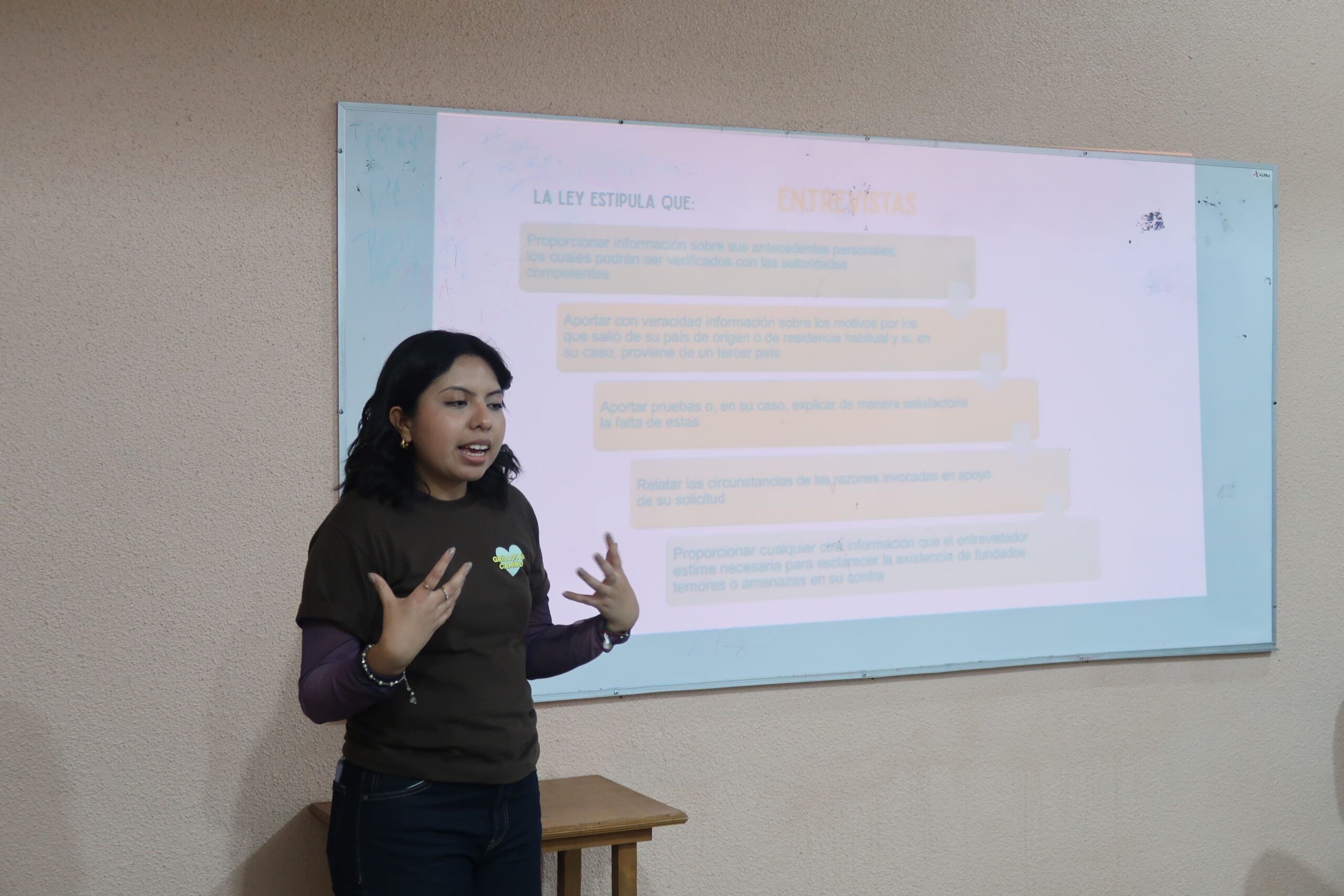
My name is María Fernanda Ruelas Martínez, and I am a co-founder of the youth collective Grillos en Camino, a youth initiative focused on people in situations of human mobility. I am currently part of the Youth Advisory Group of the Global Youth Opportunity Network, GOYN Mexico City.
When I think about the path that has led me to the development of my activism, and what led me to believe in and fight to generate positive social impacts, I cannot help but think of the 15-year-old Fernanda who was fortunate enough to attend a youth leadership seminar.
And it was in that space where I first heard that youth held the leadership; that was the moment when the narrative of my youth changed. I understood that my youth had strength, as well as the ability to transform not only my reality but also that of others.
In Mexico, we are 30.5 million young people between 15 and 29 years old, representing 23.31% of the total population of the country (INEGI, 2025). In Mexico City, there are 600,000 young people with opportunities (GOYN Mexico City, 2024), and this data only leads me to wonder how many of these young people have had the opportunity and the spaces to understand that they have the capacity for leadership, to transform their communities, to believe in themselves and that they are capable of changing spaces.
The reality of Mexico is one shaped by human mobility, migration, and displacement—a history marked by migration phenomena. Yet, there are currently no figures on how many young people are migrants, displaced persons, or refugees in our country. Migrant youth worldwide constitute more than 10% of the 232 million international migrants overall, according to data from the International Labour Organization (ILO). Despite representing a vital percentage of migration, young people on the move are rendered invisible.
The lack of opportunities for young people on the move is so evident that UNHCR data (2024) highlights that, unlike children in refugee situations, where 65% of young refugees are enrolled in primary school, only 7% of young refugees have access to university. The gap in the figures is abysmal, and these facts should only prompt us to question: What are we doing for young people on the move? Young people on the move are young people of opportunity, and changing their life trajectory means changing the history of future generations.
That is why it is necessary to point out that in many spaces the power of youth is underestimated, the capacity of young people is given as something nonexistent, and we are often pigeonholed into incapacities or lack of knowledge that come from adult-centric discourses.
That is why it is so important to change the discourse and the narrative that pigeonholes our youth, spaces, communities and societies, so that we are seen for who we are: creative people with problem-solving skills, resilient and leaders who deserve opportunities that allow us to change the trajectory of our lives as well as those of our families, communities and territories.