


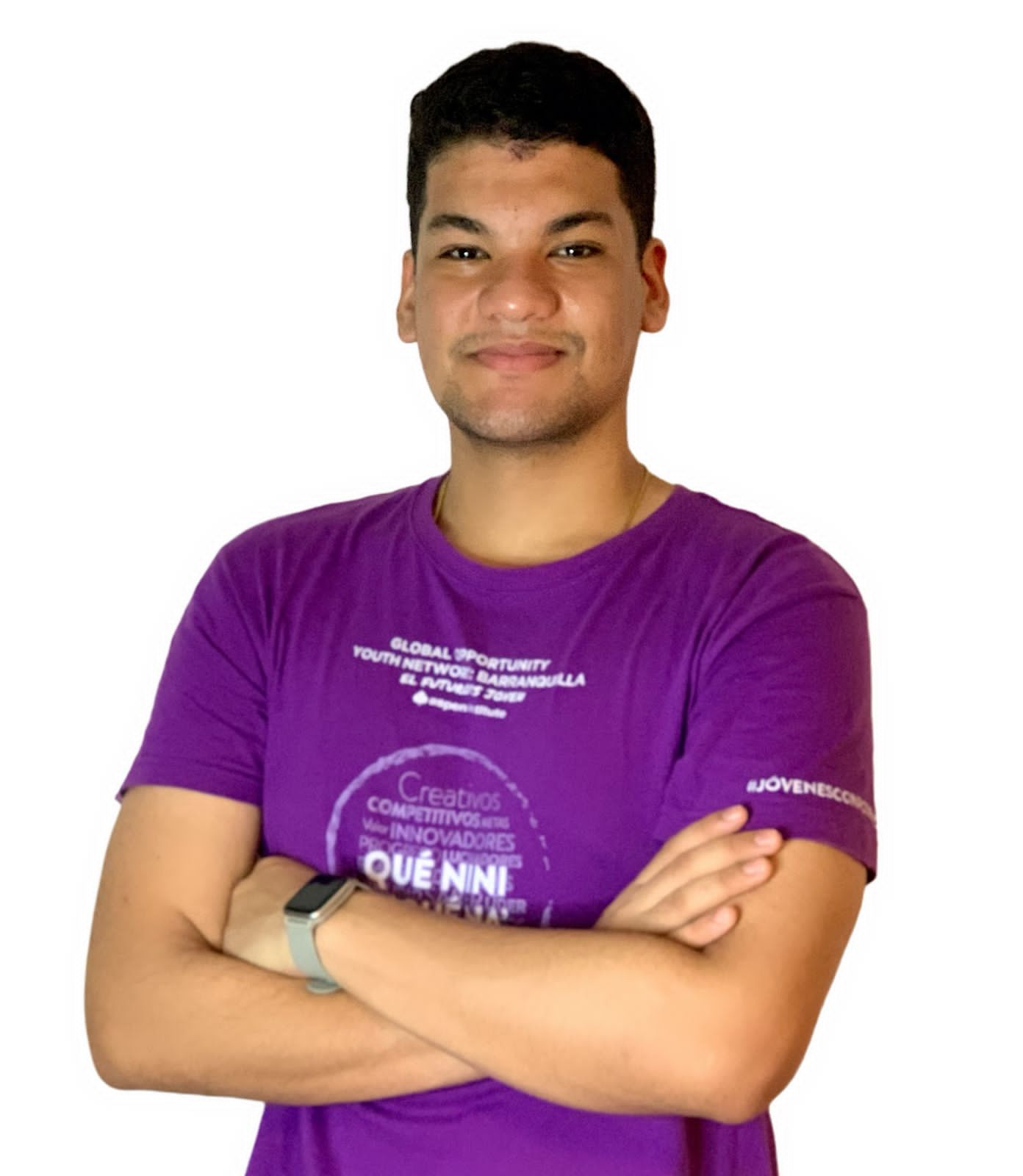
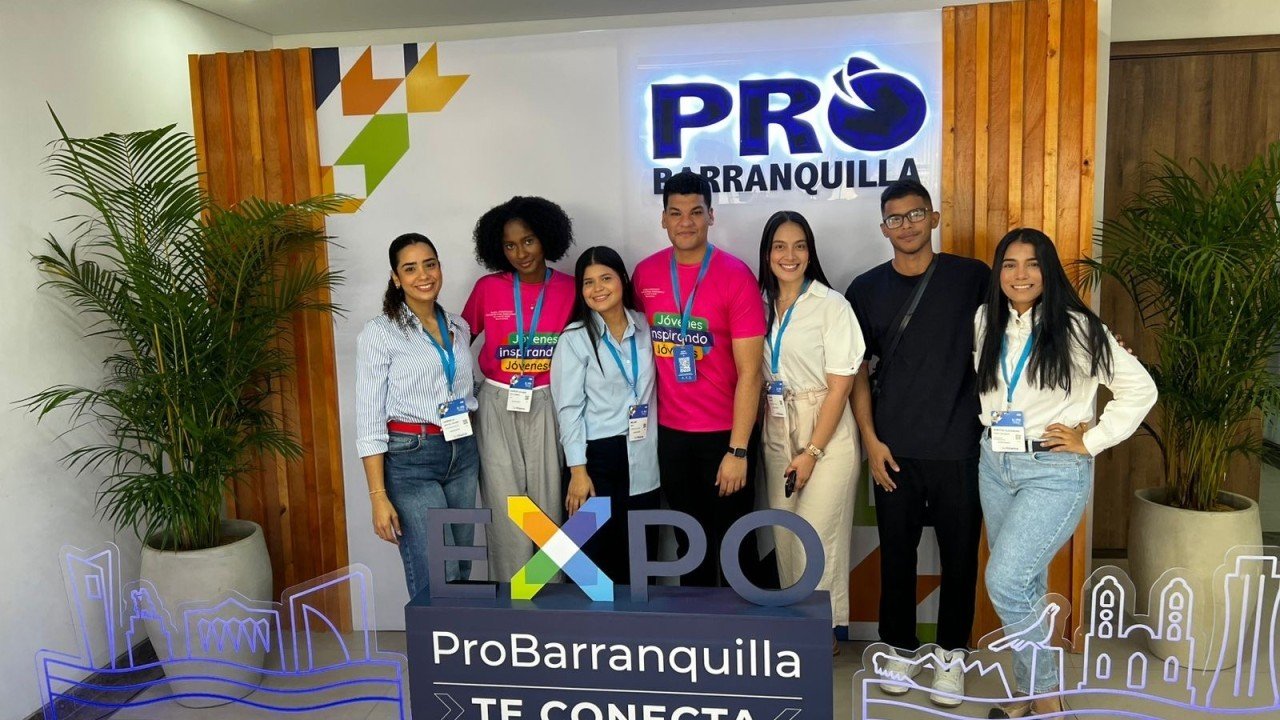
By Dayron Escorcia Atencio
Youth Advisory Group
GOYN Barranquilla and youth leader
About four years ago, the challenge was getting young people to organize, create initiatives, and take action in their communities. Today, with hundreds of groups and organizations part of the ecosystem, perhaps the question we should start asking ourselves is different: What comes after creating?
"This city can't handle another foundation!" I heard this phrase about three months ago, and it's been echoing in my head ever since, to the point that I've started hearing it in different ways, like: "Did another collective come out? Another one created because it's trendy? What invention are they coming up with now?"
The fact that this narrative becomes recurrent led me to identify that the term saturation She grouped these visions together; she is often spoken of negatively, associated with an excessive presence of something. It's no secret that in Barranquilla, over the last three years, we've seen an increase in the creation and reactivation of collectives. that address everything related to youth, hence the almost weekly appearance of a new actor.
The above is not necessarily a bad thing; however, we must be aware that The proliferation of initiatives, by itself, is not enough to improve the quality of life of Barranquilla's youthBut one thing that is clear is that behind the creation of a new project or initiative, there is a desire to do something, which demonstrates active citizenship.
According to official figures from the Nuestra Barranquilla initiative, around 367 youth groups have been identified in the city, which, from my experience as a young person and as someone who works in the field, could be categorized into 5 major areas of influence: culture, mental health, sport, territory and productive inclusion.
This data raises the question: Are we really saturated with collectives or are we saturated with disconnected initiatives? The fact that there are 367 groups doesn't mean they're all doing the same thing. In fact, many carry out activities that fall outside those five categories, but they still maintain a connection. For example, an organization might have the primary purpose of preventing juvenile delinquency, but use sports as a methodological tool to achieve this. In this case, sports are part of the broader category under which we can identify the organization, but they aren't its central purpose.
For there to be a proliferation of collectives and initiatives, there must be conditions that foster this phenomenon; in the case of Barranquilla, this has been favored due to the presence of organizations whose purpose is precisely to reactivate and/or awaken the desire to have an impact on the city. This does not mean that emerging leaders are a problem; on the contrary, their appearance is a sign of the ecosystem's vitality.The current challenge is that this new energy can meet with the accumulated experience of those who have been working in the territory for years.
However, what leaves a bad taste in my mouth is precisely that the problem arises when the need for prominence begins to outweigh the problem that one wants to solve. At that moment when arrogance and individualism govern the genesis of a project, that altruistic goal is consumed by toxic leadership and consequently they become just another collectiveYou don't need to ask permission to create an initiative, but you also don't need to build it as if you were the only one who can solve the problem.
If our city has so many youth-related problems that still need intervention, and if there are initiatives that want to support innovative ideas and organizations with a long track record in community work, what limits networking and active collaboration between new and established leaders? Could it be that there are still things that have not been identified and are perpetuating this disarray?
What is happening today in Barranquilla may be an expression of something that many cities are facing: A citizenry increasingly willing to organize, but not necessarily prepared to collaborate and ensure the sustainability of projects.
All these reflections should be on the table today if Barranquilla truly wants to become an exemplary city in youth matters, because as the saying goes, "what goes up must come down," and applied to the scenario addressed in this writing, today there is a peak thanks to favorable conditions, especially in terms of funding and support, which have allowed the emergence and strengthening of numerous youth groups. However, these conditions will not be permanent; when they change, that is when the capacity of the processes will truly be tested.And that's where some might fall, especially those who built their initiatives on the idea that they could do it all by themselves.
The leap that the youth ecosystem of Barranquilla must take probably does not consist of creating yet another initiative, but rather in learning to value what has been built and what is collective, starting from the premise that one initiative alone cannot solve all the problems of the city.