



By Elio Villaseñor G.
Director General of Citizen Initiative for
the Promotion of the Culture of Dialogue, AC
“Hope is being able to see that there is light despite all the darkness.”
— Desmond Tutu
Caring: a task that sustains life
On May 26, the Congress of Mexico City unanimously approved the Public Care System Law, an initiative presented by the Head of Government, Clara Brugada Molina.
During the presentation of the proposal, the president expressed an idea that summarizes the spirit of this law:
“Caring is not a private duty or a natural female destiny, but a shared social responsibility.”
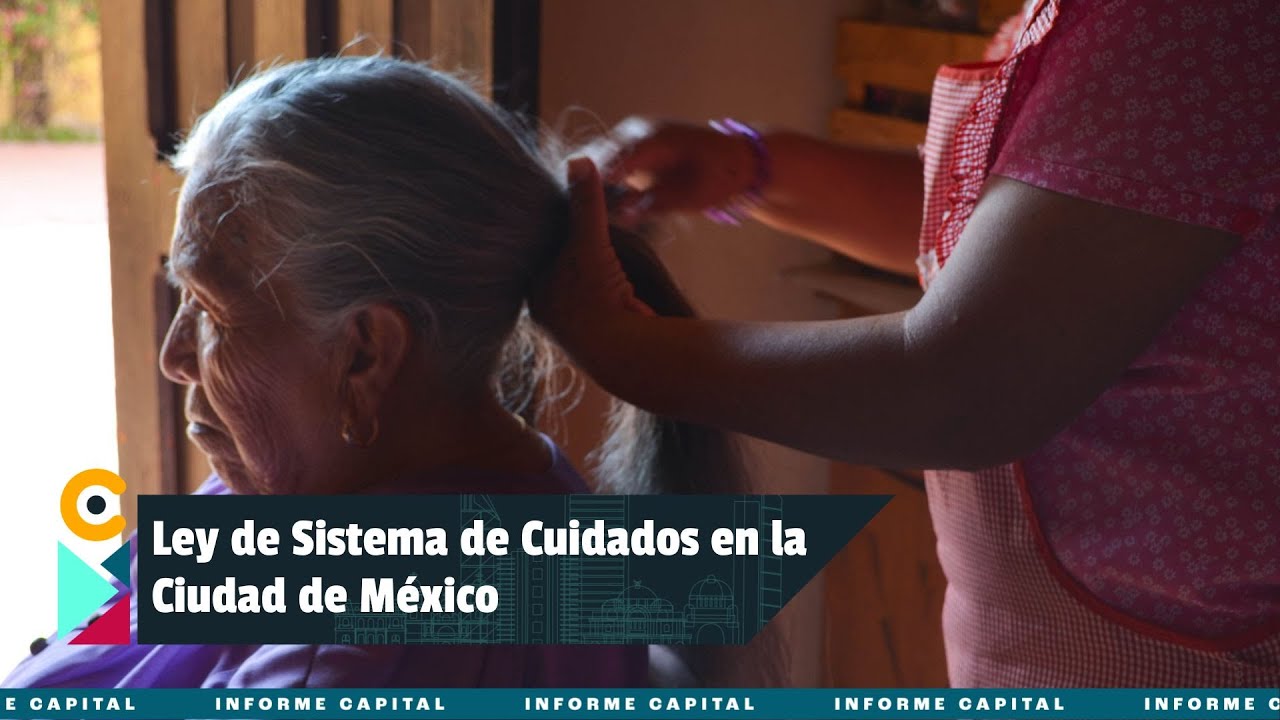
This statement acknowledges a reality experienced by thousands of people every day. Care is present in multiple areas of life and encompasses the care of children, older adults, people with disabilities, people who are ill or recovering, as well as emotional support and daily assistance within homes.
Although these tasks often remain invisible, they sustain the lives of our families and communities.
Youth also care
For many young people, caregiving is a part of their daily lives. However, this responsibility often falls primarily on young women, who face significant challenges in balancing caregiving with their studies, work, or personal projects. In many cases, they are even forced to drop out of school.
According to a recent study by Oxfam Mexico:
-
Almost 8 out of 10 young people who are neither studying nor working are women.
-
95% of them perform unpaid care work.
-
In Mexico City, 96% of young women who neither study nor work are primarily engaged in caregiving tasks.
The reality of care work also reflects a significant inequality between women and men. According to the National Survey for the Care System (ENASIC 2022)75.1% of caregivers are women and 24.9% are men.
In addition, female primary caregivers dedicate an average of 38.9 hours per week to caregiving, while men dedicate 30.6 hours.
Behind these figures are concrete stories of young people who postpone their studies, reduce their job opportunities, or limit their social participation to attend to the needs of others.
Therefore, the approval of this law represents an important step in recognizing care as a right and a collective responsibility.
Listening to build a better law
A valuable aspect of this initiative is that it was not built solely from government desks.
Its development was the result of a process of listening and participation involving caregivers, people who require care, social organizations, academic institutions and specialists in the field.
The Public Care System Law thus arises from the recognition of the experiences, needs and proposals of those who live this reality daily.
An opportunity to transform the future
For young people, this legislation opens the possibility of building a more egalitarian city, where studying, working, participating in the community and caring for others are not responsibilities that fall on a single person, but shared commitments between families, communities, businesses and public institutions.
However, the approval of the law is just the beginning of the journey.
The real challenge begins now.
Now comes the most important stage: its implementation. It will be necessary to ensure sufficient budgets, effective mechanisms for citizen participation, transparency, accountability, and ongoing coordination between government, social organizations, academic institutions, and citizens.
The challenge is to turn this law into a living tool that transforms people's daily lives.
We need to create spaces for coordination and join forces so that the right to care ceases to be an aspiration and becomes a reality for those who need it most.
Major transformations begin when we stop viewing caregiving as an individual burden and embrace it as a collective responsibility. That is the invitation this new law extends to us today.
For young people, this legislation represents a window of opportunity to fully exercise their rights, continue their studies, develop their life projects and, at the same time, accompany those who require care without having to give up their own opportunities.
The future also needs to be taken care of.
The Public Care System Law It will be truly successful when young people, social organizations, communities, and authorities work together to make it a reality.
Only in this way will we build a city where caring and being cared for is a guaranteed right, an expression of human dignity, and a shared responsibility among all of society.
Because caring is also about building the future. When a society shares the responsibility for care, it opens up more opportunities for young people to study, participate, work, and build their life projects.
May this law be an invitation to build a city where caring for and being cared for is a right. Because caring is also building a future with greater equality, opportunities, and hope for everyone.
May this law be an invitation to build a city where caring for and being cared for is a right. Because caring is also building a future with greater equality, opportunities, and hope for everyone.