


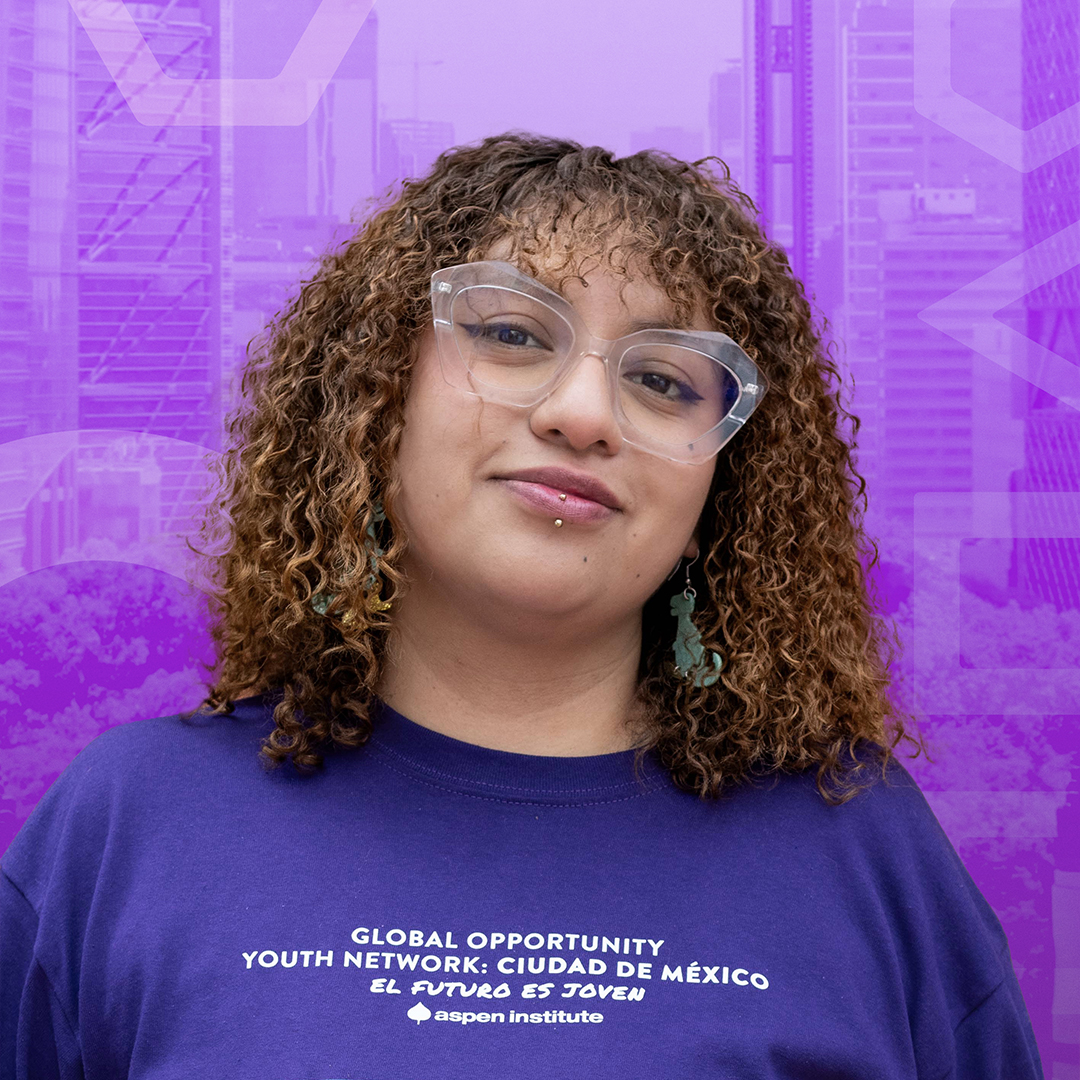
By Ana Victoria Ávila Álvarez
Youth Advisory Group (GAJ) / GOYN-CDMX
They say social media is for entertainment, wasting time, or arguing with strangers at two in the morning. It's good for that too, I won't lie. However, behind the meme, the trend, and the twenty-second video lies something more serious: a territory where the power to speak, the circulation of content, and the elegant consignment to oblivion are contested. These platforms are not neutral; they respond to interests, metrics, and business models that the algorithm executes faceless, but with very concrete consequences.
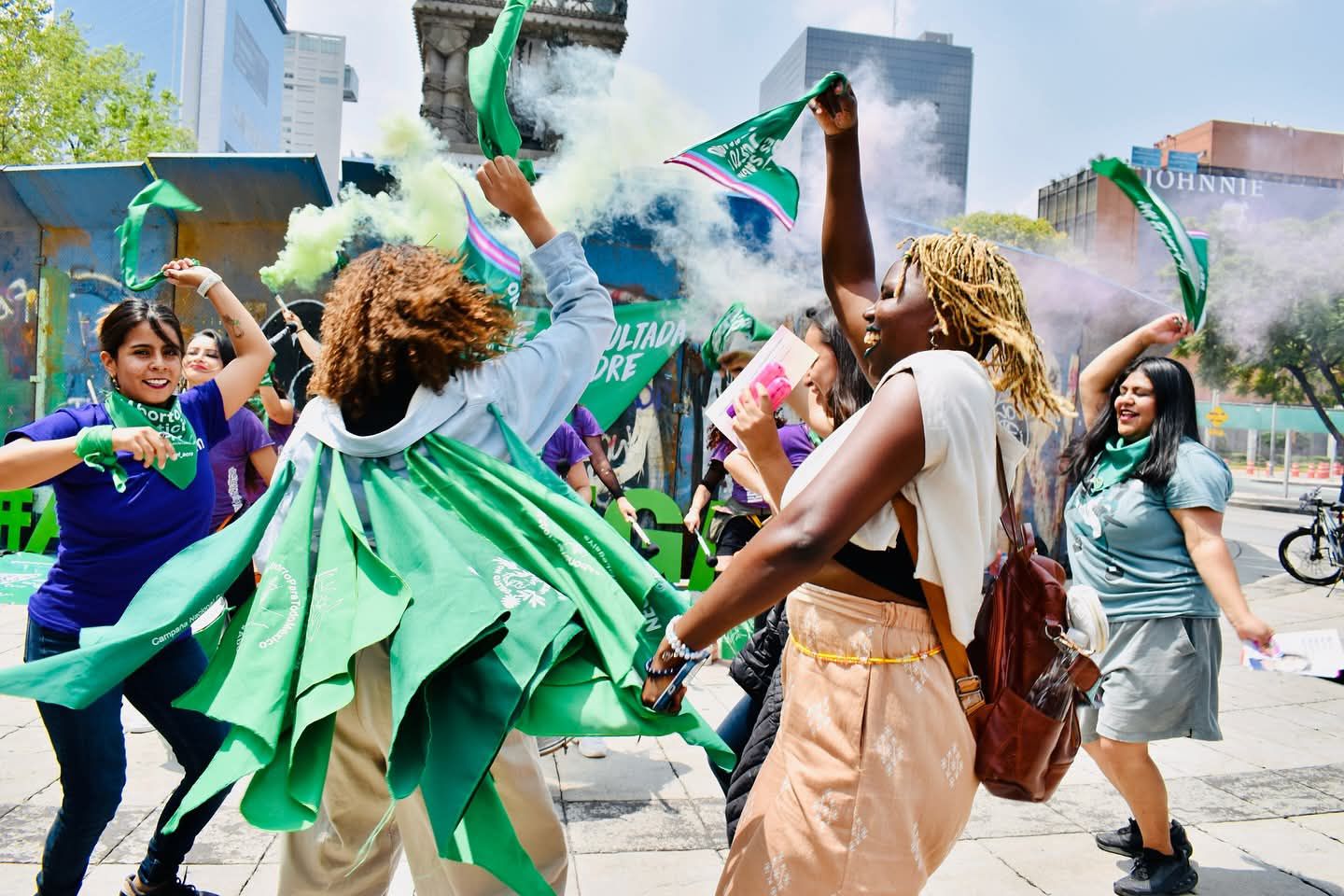
Five years ago, I co-founded the Michis Aborteros collective with the goal of disseminating information about sexual and reproductive rights. However, we soon discovered that sharing information online feels more like navigating an obstacle course than simply pressing a button to publish.
We faced hate, coordinated smear campaigns, and that silent censorship that doesn't eliminate you outright, but rather renders you invisible (La Cadera de Eva, 2026). What we initially attributed to bad luck transformed into a profound political learning experience. We understood that losing reach, suffering mass reports, or falling into shadowbans rarely stems from technical failures. On the contrary, these are usually systematic mechanisms to punish discourses that are often recognized as uncomfortable (even if they are absolutely necessary), especially when they come from women and gender dissidents.
Faced with this, instead of whining about the "appeal" button, we decided to organize. That's how Michimedia was born, a strategy to understand the digital space, study the algorithm, and creatively hack its limits; if the system closed doors, we learned to enter through the windows.
From that experience also emerged my vision of social marketing. Conventional marketing is a process oriented toward satisfying needs through the voluntary exchange of products and services (Fischer de la Vega & Espejo Callado, 2011); however, it often reproduces archetypes that perpetuate gender roles or reduce people to mere statistics. Social marketing asks different questions: What happens when the need we seek to satisfy is to recognize the structures that oppress us? When the desire is to envision a dignified life and a possible future? When the exchange itself is an act of struggle? Here, the goal is not to convince you to buy something unnecessary, but to bring you closer to those rights you were led to believe were impossible.
At this point, all the rules change, because it's no longer about selling a brand, but about mobilizing awareness, social participation, and shaping the future. That's where design comes in.
They always joke that in a zombie apocalypse, no one would choose a designer (because, of course, you think you need a machete or a first-aid kit, not someone debating whether blood should be Pantone red or maroon). It might seem like a dispensable profession, but even while fleeing, someone would have to design the "Safe Haven" sign with the right typography to read while running. We're still designing: from the imagination and strategy to how we communicate what's worth saving. Design is everywhere: in a poster, in the embrace of a digital community, or in the clarity needed to understand a right. That's why creating the identity and communication for Voces y Agentes isn't just a professional commission; it's shaping a project by young people for young people.
Creating for Voices and Agents means helping other young people recognize their capabilities and occupy those spaces to which we have historically been excluded. If a visual piece achieves that, then it ceases to be mere content and becomes a possibility. Social justice is not at odds with good design or a video. TikTokOn the contrary, it needs rhythm, aesthetics, and narrative to break through so much programmed distraction. Every trench needs someone to hold it up, but also someone who knows how to illuminate it so that others can find it.
For all of this, I sincerely appreciate the trust you have placed in my design vision. My way of repaying that immense gratitude is by dedicating myself to building a space that truly feels like yours. When I think about young people and opportunities, I don't see statistics; I see stories of resilience, voices with immense power, and dreams that simply need the right platform to shine.
I want every stroke, color, or campaign to embrace us, validate us, and shout loudly, "We matter and we resist!" We deserve to dream big to demonstrate that, wherever we are, we are true agents of change.