


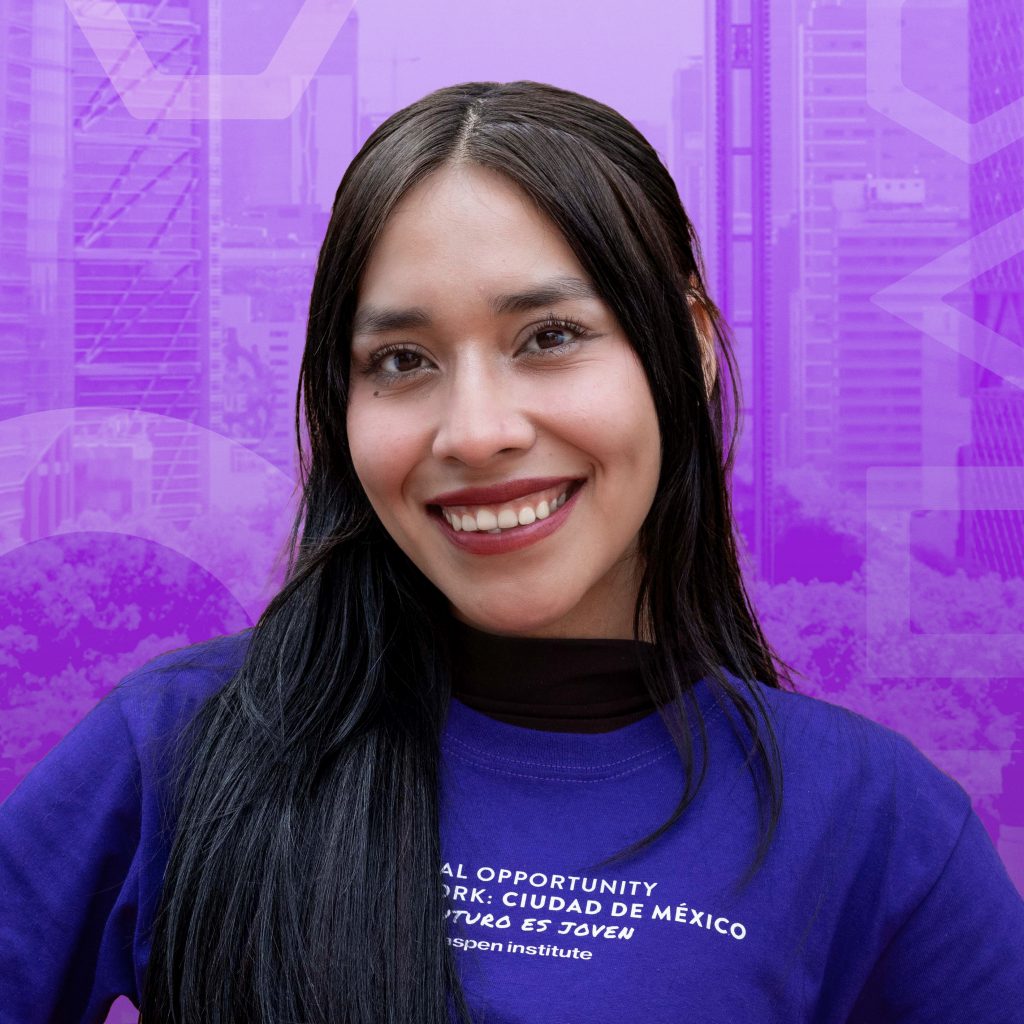
By Andrea Montserrat Romero Jiménez
Youth Advisory Group (GAJ) GOYN – CDMX
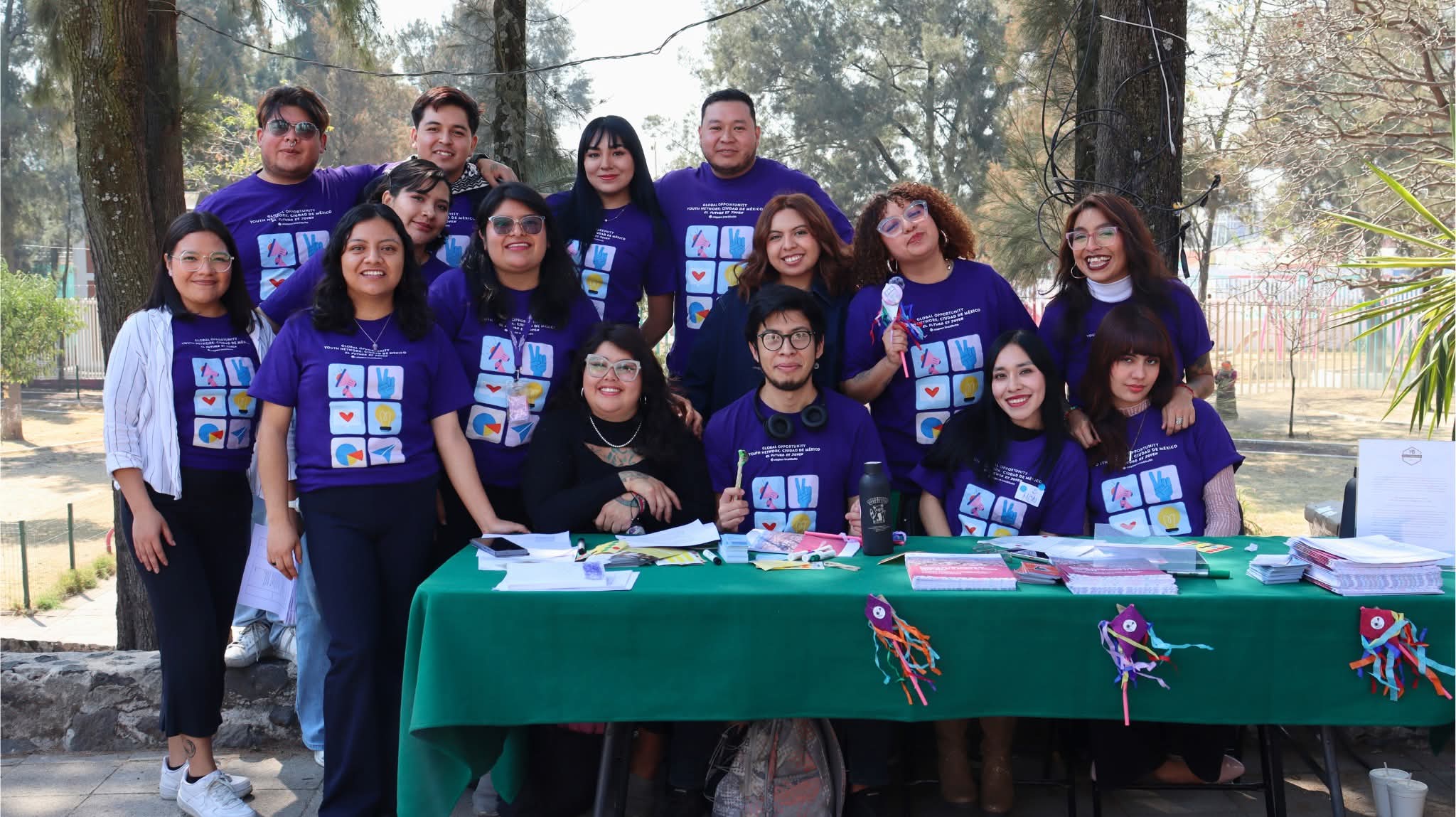
On February 20, 2026, within the framework of Mexico City General Development Plan 2025-2045, GOYN Mexico and the Youth Advisory Group We conducted the public consultation forum entitled “Youth Opportunity: The Future of Decent Work and Education in Mexico City"A space where dialogue brought together diverse voices to reflect not only on the challenges, but also the opportunities that young people face both now and in the future. Here we identified structural problems and, at the same time, developed proposals based on direct experience."
The structure of this meeting was based on various working groups where we addressed key themes for the comprehensive development of young people. These included discussions on the need to strengthen upper secondary education with a focus on decent work, promoting youth entrepreneurship as a path to economic autonomy, building a green future with youth participation, and exploring how young people envision their future in contexts marked by uncertainty.
All these working groups provided essential insights into the complexities of designing inclusive public policies, especially those that place young people at their center. In addition to the groups mentioned above, another group, which I had the opportunity to moderate and participate in, was also discussed below, as my involvement and participation were crucial.
One of the most important aspects of the forum was the incorporation of an intersectional perspective, a panel I led and facilitated. From the outset, I proposed a collective reflection on how we understand diversity among young people, aiming to build a dialogue grounded in individual experiences. This, in turn, would avoid a homogenous view of youth, instead highlighting the unique characteristics of each young person.
The conversation revealed that it is not possible to speak of youth in the singular; our life trajectories are profoundly shaped by factors such as gender, sexual orientation, background, disability, migration, and socio-emotional well-being. In this sense, the urgent need to transform and expand current programs to include young people was raised, emphasizing the importance of prioritizing historically excluded populations such as young women, LGBT+ youth, migrants, and young caregivers.
Likewise, the need to create differentiated support systems that acknowledge these structural inequalities was highlighted. Among the proposals mentioned were flexible work schedules, psychological support, and working conditions that can include everyone through genuine and sustainable employment. These measures not only aim to facilitate access to employment but also to ensure that it is carried out under dignified conditions.
One of the most significant moments for me was the active participation of a young mother who shared how her life changed radically when she decided to become a mother. Her testimony highlighted the multiple structural barriers she faces: being young, being a woman, and being a mother. She spoke of the lack of suitable spaces for caring for her baby, the limitations surrounding maternity leave, and, above all, the employment limitations she is facing.
Listening to her story filled me with deep concern, not only for the situation she's going through, but because it's the same situation so many young people face. It also led me to reflect on my own future and the decisions that, even before I've made them, are already conditioned by structures that limit my possibilities and those of others. These kinds of interventions demonstrate that public policies cannot be built from abstract concepts, but must be built from the concrete experiences of those who live these realities every day.
This exercise confirmed that decent work cannot be thought of without an intersectional perspective: inequalities do not operate in isolation, they intertwine, deepening the gaps in access to opportunities for young people.
This reflection is especially relevant to me because there are territories like Iztapalapa, where despite being one of the largest boroughs in Mexico City, it faces significant structural shortcomings. That is why, from our collective, we decided to give focus and voice to this territory and make it the venue for this event.
Creating these spaces in peripheral contexts represents an effort to decentralize dialogue; however, in these cases something very important becomes evident: although young people are invited, they often fail to participate due to barriers to accessing information or material and economic conditions.
On a personal level, this experience was profoundly enriching, because in addition to being able to listen to and learn about other realities from other voices and other types of youth, it helps me to confirm that, although youth are constantly mentioned in public discourse, there are still significant obstacles to their voices being truly heard and incorporated into decision-making.
Thinking about the future of decent work and education necessarily involves recognizing the diversity of young people and the multiple inequalities that affect them; opting for an intersectional perspective is not only a theoretical response, it is essential to building a fairer, more inclusive, and more effective country.
Because recognizing our differences allows us to build ourselves and build futures that break through the barriers that limit us, because being different is not bad, it is an impulse of courage to recognize that we can transform regardless of our place.