


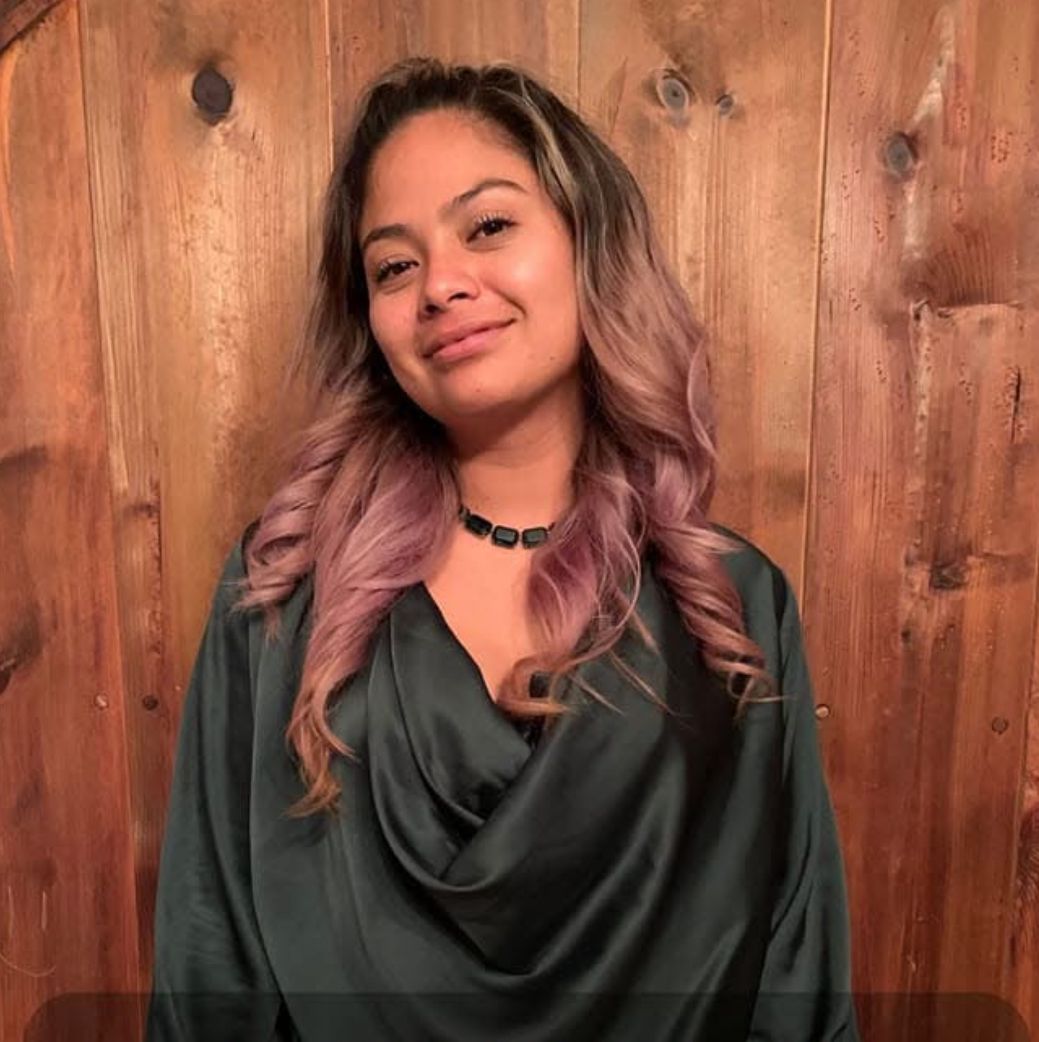

By Daniel Serrano de Rejil
Director General of Interculturality,
Health and Rights AC (INSADE)
Dania Yuriko García Arreola
Project Operations Coordinator
in Childhood, Adolescence and Youth
Talking about mental health in young people means going beyond individual or clinical approaches. In contexts of violence, inequality, and contact with the criminal justice system, mental and socio-emotional health is deeply linked to living conditions, real opportunities, and access to rights. Data from the National Human Rights Commission reveals that more than 60% of young people in the reintegration process present symptoms of anxiety or depression, and less than a quarter have access to psychological care. Stigma, social breakdown, and economic uncertainty fuel a cycle that favors recidivism.
From the experience of INSADEWorking with young people in the process of social reintegration has revealed that mental health cannot be addressed in isolation, as a secondary component, or even ignored. It is a central axis that permeates all processes of training, support, and life planning.
The starting point: life skills
One of the main institutional lessons has been to recognize that self-employment or entrepreneurship processes cannot begin directly with technical or productive training.
In previous stages of our work, we identified that many young people drop out of training programs. The reasons were related to factors such as substance abuse, experiences of violence or unmet emotional difficulties, poor conflict resolution skills, and limited assertive communication skills. This showed that, without prior work on life skills, with an emphasis on mental health or emotional support, retention in the programs was limited.
Based on this learning, our intervention model: Made in Freedom®It was adjusted to begin with processes focused on the development of life skills, such as:
-
decision making
-
Emotional management
-
Violence prevention
-
Addiction prevention and harm reduction
-
Information on sexual health, sexually transmitted infections and HIV.
-
Information on exercising the right to non-discrimination based on criminal records and exercising political and electoral rights.
-
Sports for peace and reintegration.
-
Healthy and non-violent conflict resolution.
-
Assertive communication.
-
New alternative masculinities.
This approach allows young people to have basic tools to support subsequent educational processes and make more informed decisions about their lives.
Mental health should be viewed as a cross-cutting process
In many social programs, mental health is addressed through isolated workshops. However, experience has shown that this is insufficient.
Mental and socio-emotional health should be understood as a cross-cutting process that is built throughout the entire intervention. This involves generating:
-
Safe spaces where young people can express themselves without stigma
-
Continuous support during the training processes
-
Clear, accessible and rights-based information
-
Integration with socio-labor training processes and entrepreneurship
This approach promotes the retention of young people in the programs and strengthens their capacity to build alternative lives outside of contexts of violence.
Social reintegration and economic autonomy
Mental health is also closely related to the ability to generate income and build economic autonomy.
Our intervention model “Made in Freedom®”It incorporates socio-labor training and entrepreneurship processes that allow young people to develop technical skills and build dignified self-employment options. These processes include training, support, and strengthening of micro-businesses.
Institutional evidence shows that when young people have the tools to generate income, their social reintegration processes and emotional well-being are strengthened. The possibility of starting a business or accessing a productive activity directly impacts their perception of the future and their decision-making.
Support, not just training
Another key element is follow-up. Experience has shown that processes limited to training have less impact than those that include ongoing monitoring and support.
This support allows us to identify obstacles, adjust processes, and sustain youth participation. It facilitates the generation of institutional learning that strengthens the intervention. It's not about transmitting concepts in each workshop; continuous follow-up is necessary to listen, guide, and adjust strategies according to each young person's reality. This sustained support detects relapses early and puts learning into practice, strengthening family and community support networks that ensure the socio-emotional well-being of our youth.
In this sense, monitoring, evaluation, and learning are fundamental to continuously improving programs and ensuring that they respond to the real needs of the population.
Naming without stigmatizing
Language is also an integral part of mental health work. Labeling young people with stigma or reducing them to their experience in the criminal justice system limits their reintegration processes. Therefore, it is essential to use language that recognizes people based on their present circumstances and potential, not on labels. This helps create spaces of trust and strengthens the construction of identity free from stigma.
Challenges and opportunities
Working on mental health with young people in social reintegration contexts involves facing multiple challenges: structural limitations, stigmatization, barriers to accessing services, and conditions of inequality. However, it also represents an opportunity to build more comprehensive intervention models, centered on the rights and capabilities of young people.
Experience shows that when life skills, socio-emotional support, and economic development opportunities are combined, it is possible to generate sustainable processes of social reintegration.
Final reflection
The mental and socio-emotional health of young people cannot be understood without considering their context. It is not an individual issue, it is a social one. It is about recognizing each young person who carries stigmas, grief, and fears. Without support, these can lead to abandoning plans or relapse.
Strengthening these processes involves committing to comprehensive interventions that recognize young people as subjects of rights, with the capacity to make decisions and build new opportunities taking into account their reintegration needs.
Because, in contexts of social reintegration, talking about mental health also means talking about second chances and the real possibility of being able toentrepreneurship in freedom.