


By Elio Villaseñor
Director of Citizen Initiative for the
Promotion of the Culture of Dialogue, AC
«Many small people, in small places,
By doing small things, you can change the world.»
— Eduardo Galeano
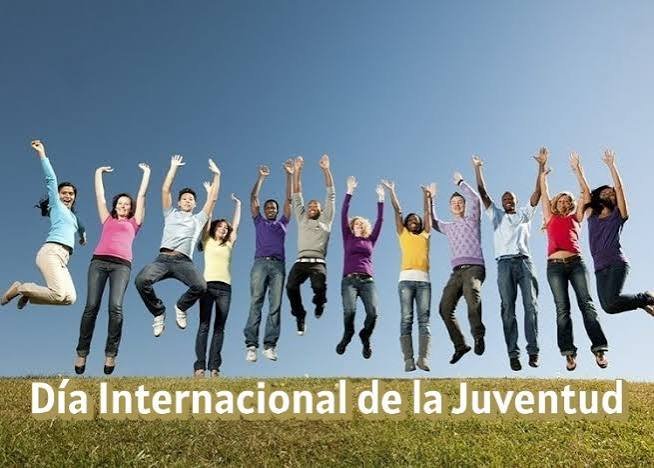
August 12, 2000, marked the first commemoration of International Youth Day, promoted by the United Nations as a space to recognize the voices, rights, aspirations and participation of young people in building our societies.
This 2026, the motto “Different contexts, common aspirations"It invites us to look at a reality that we often forget: there is no single way to be young."
Young people experience very different realities depending on the country, territory and community where they were born; their economic situation, their gender and the opportunities they have access to.
However, beyond these differences, there are aspirations that unite them: a quality education, decent work, access to health —including mental health—, living without violence, participating in decisions that affect their lives, and having real opportunities to build a better future.
Young people who are transforming their reality
Faced with the great challenges of our time, young people are not remaining indifferent. From different regions, they are building projects, organizations, and new forms of participation.
We find them defending the environment and their communities; demanding action against climate change; promoting an education that responds to the challenges of their generation; demanding a safe, inclusive and humane digital world; confronting violence in their territories and on social media, and opening new spaces for citizen participation.
They are also raising questions that will shape our future: How do we want to use artificial intelligence? What kind of jobs will we have? How do we protect our mental health? How do we confront inequality and violence? How do we take care of our planet?
These are not questions only for young people. They are questions that challenge all of society.
The right to imagine and build the future
In the midst of such different contexts, there is something profound that unites young people: the right to imagine a future and to have the tools, rights, opportunities and freedom to build it.
Therefore, commemorating International Youth Day should not be limited to celebrating young people once a year. It means listening to them, recognizing their diversity, creating spaces for their participation, and above all, trusting in their capacity to transform their communities.
The challenge of our time is to move from policies for young people to processes built with young people. Because it is not enough to recognize that they are the future: we need to recognize them as protagonists of the present.