


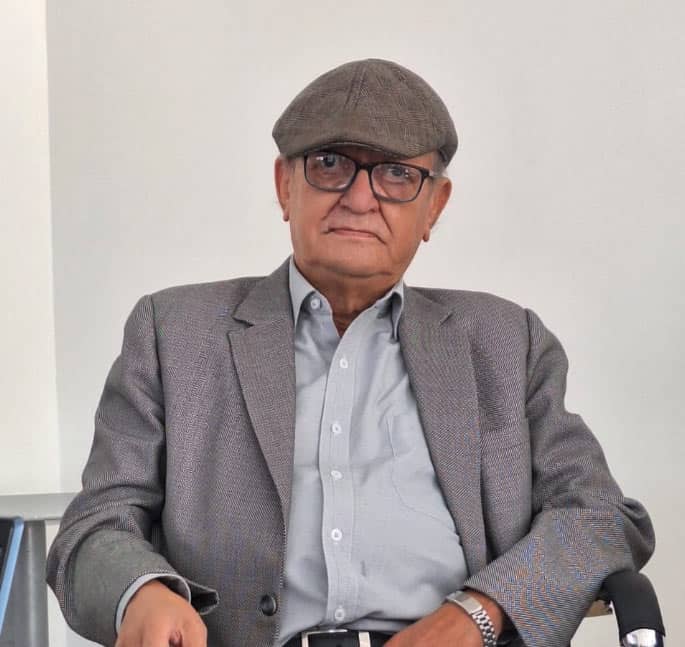

By Elio Villaseñor
Director General of Citizen Initiative for the
Promotion of the Culture of Dialogue, AC
“No society can flourish
when he leaves his young behind.”
— Kofi Annan
In recent days, the presence of young people in public opinion has been unavoidable.
The assassination of the mayor of Uruapan, Michoacán, at the hands of a young man, and the Generation Z march in several cities across the country reveal two profoundly contrasting faces of youth reality.
On one hand, there are those who, lacking opportunities, end up being recruited by organized crime; on the other, young people who mobilize and raise their voices against the fear, violence, and uncertainty that define their present. Between these two extreme realities, there are millions of young people who struggle every day to survive, make their way in the world, and aspire to a dignified life.
Amid this complex situation, various job placement initiatives have emerged as a bridge of hope.
Both socially responsible companies and civil society organizations have launched programs that aim to strengthen young people's technical and socio-emotional skills to facilitate their entry into the labor market and promote sustainable professional development. "The best social policy is to create real opportunities," is a common refrain among those working in corporate social responsibility.
Notable examples include companies such as Grupo Bimbo, which has joined the Jóvenes Construyendo el Futuro (Youth Building the Future) program, training young people as "talent pools"; CEMEX, with its Nuevos Empleos y Oportunidades (New Jobs and Opportunities) initiative, focused on providing technical training to young people in vulnerable conditions; as well as Nestlé México, Cinépolis and Google México, which have developed solid policies for the inclusion, training and development of young talent.
According to data from CEMEFI, in 2024 alone, the ESR Distinction was awarded to 1,035 large companies, many of which have launched job placement programs aimed at young people.
While these programs have opened doors and created real opportunities, it's also true that some young people, after completing their training, haven't been able to find formal employment. The challenge remains.
The work of civil society has also been key. The Companies with Youth initiative, promoted by the Global Youth Opportunity Network Mexico City (GOYN) and the Youth with Decent Work Alliance, supports companies committed to diversity and inclusion strategies, focusing on young people in vulnerable situations.
Their goal is clear and profoundly human: to ensure that more young people have access to jobs with decent, stable conditions and a future.
Given these diverse—and sometimes scattered—efforts, it is essential to continue building alternatives that allow young people to live with hope and not with fear.
As they say, "a young person with opportunities is a young person with a future."
In relation to the above, in this edition of Plataforma JuventudES, Carlos Flores, CEO of Corazón Capital, warns that young people face a profound existential crisis marked by declining mental health, limited job and economic prospects, and an uncertain future. As a result, their "real possibilities" and "their goals tend to be organized around immediacy and day-to-day survival." There is no encouraging future. In response, Aldo Medina, from Ticket for Change, explains that methodologies integrating innovation, collective intelligence, and sustainability, adapted for young people, entrepreneurs, and corporate leaders, strengthen impactful projects by transforming their companies from within.
In this regard, Valeria Moy, general director of IMCO, maintains that the problem is both cultural and institutional and proposes: better coordination between companies and schools is required, programs need to be updated according to labor demand, and clear information is needed to allow for informed decisions.
In the field of Care, Mauricio Ariza Barile, president of the Council of GENDES, AC, and Gabriel Morales Hernández, Coordinator of institutional strengthening of that organization, highlight the importance of men actively getting involved in care work, not only to advance towards co-responsibility and gender equality, but also for the personal benefits that care brings by questioning traditional masculine mandates.
On the international stage, Gheida Abdala Omar, founder of Girls I-Save, celebrates the transformation Kenya is undergoing, driven by its youth, who have moved from "potential" to active leadership in innovation, and declares: Kenya must continue to believe in its youth, because the innovation revolution it is leading is only the beginning.
Finally, Randy Márquez, from GOYN Alumni, points out that the youth uprisings that occurred in 2025 in Kathmandu (Nepal) and Uruapan (Mexico) reveal the same global pattern: Generation Z, tired of censorship, violence and lack of opportunities, decided to burst onto the political scene without aligning themselves with traditional ideologies.
Given this scenario, the great challenge and the urgent task is to articulate and strengthen public policies for youth employment, built in a coordinated manner between companies, civil society organizations and government.
Only in this way will it be possible to transform the many faces —and wounds— of youth reality into paths of development and dignity.